

Over 705,000 strictly plumbing related posts
Plbg.com (aka: PlumbingForum.com) where plumbing help, advice, education, information, and plumbing related suggestions are provided FREE by some of the most experienced plumbing contractors and plumbers anywhere who all wish to "give back" to society. Since 1996 we have been completely free of popup advertising or any other invasive ads and have been known to be the best online STRICTLY PLUMBING advice and help site. You've come to the right place IF you have questions about plumbing, toilets, sinks, faucets, drains, sewers, water filters, venting, water heating, showers, pumps, and other strictly PLUMBING related issues. Please refrain from asking or discussing legal questions, or pricing, or where to find and/or purchase products, or any business issues, or for contractor referrals, or any other questions or issues not specifically related to plumbing. Keep all posts positive and absolutely no advertising. We absolutely do not sell your personal information. We are made possible by: 
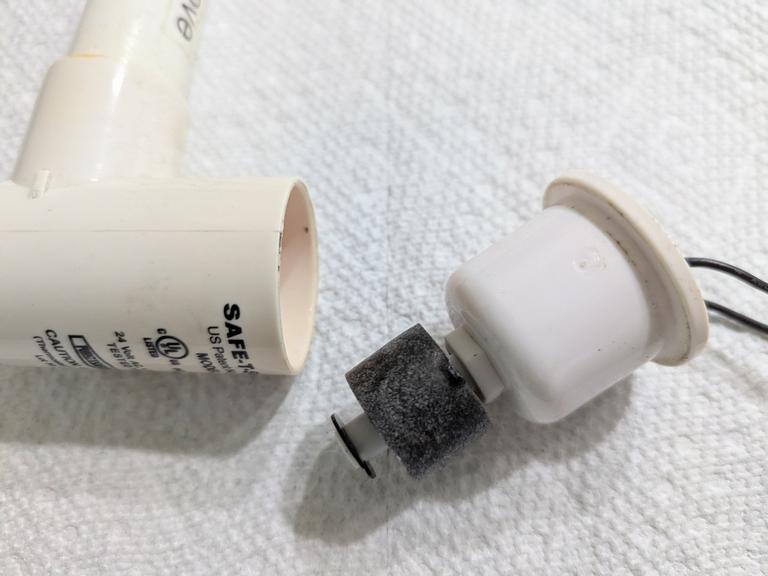
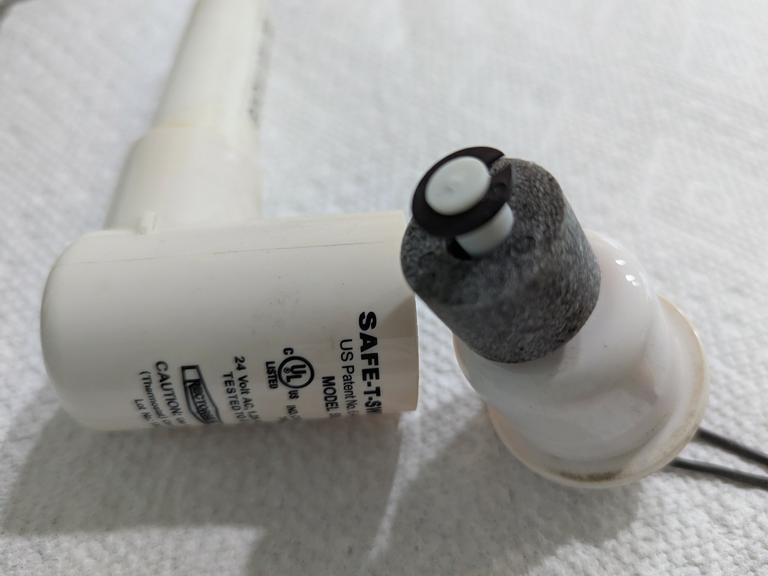
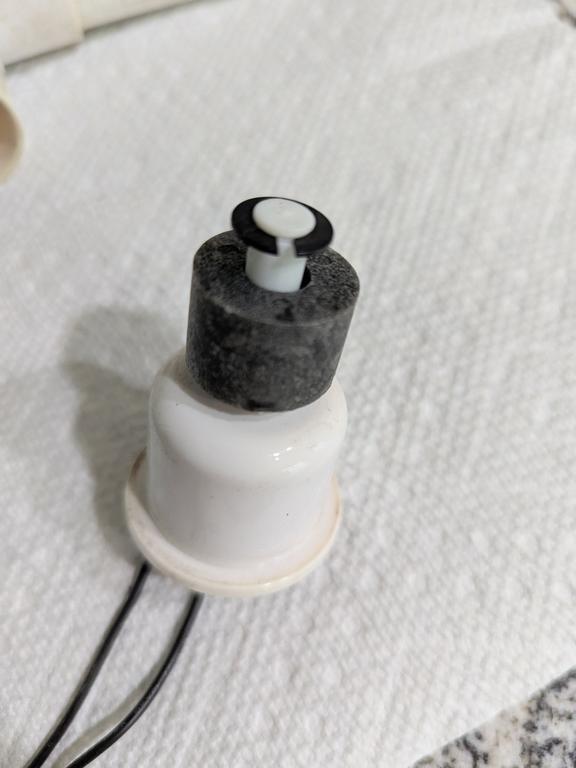
| Re: How does a float switch work? |
|---|
|
Author:
steve (CA)
There's a magnetic reed switch sealed inside and a magnet inside the float. |
| Re: How does a float switch work? |
|---|
|
Author:
bargainscoffee (Non-US)
As steve says, it is a magnet and a sealed reed switch. The donut float has a small magnet moulded into it, and the reed switch sits sealed inside the housing the float slides on. When the water lifts the float, the magnet moves up past the reed, and the little contacts inside snap open or shut, making or breaking the circuit without the water ever touching the electrics. On an HVAC condensate switch it is normally wired so that rising water opens the circuit and shuts the unit down before the pan overflows.
|
- Inappropriate messages or blatant advertising will be deleted. We cannot be held responsible for bad or inadequate advice.
- Plbg.com has no control over external content that may be linked to from messages posted here. Please follow external links with caution.
- Plbg.com is strictly for the exchange of plumbing related advice and NOT to ask about pricing/costs, nor where to find a product (try Google), nor how to operate or promote a business, nor for ethics (law) and the like questions.
- Plbg.com is also not a place to ask radiant heating (try HeatingHelp.com), electrical or even general construction type questions. We are exclusively for plumbing questions.
Search for plumbing parts on our sponsor's site:
Special thanks to our sponsor: